AN EXPERIENTIAL WORKSHOP FOR LEADERS AND TEAMS NAVIGATING AI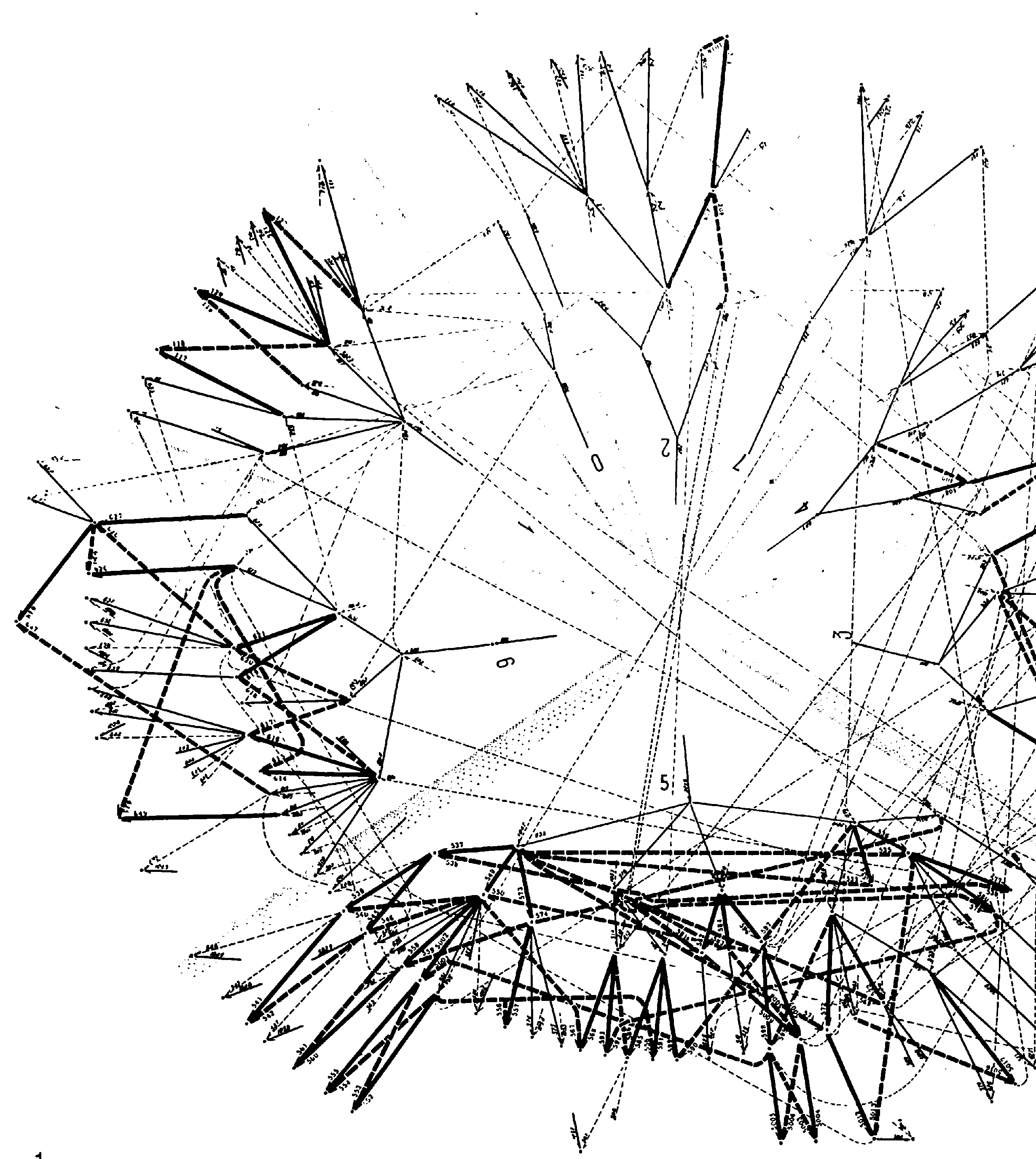
AI Discernment Lab

There are so many ways our stories might go. How do we learn to move wisely when the consequences of our choices cannot be fully known?
AI is a workplace technology and a much wider force, reshaping how humans learn, communicate, relate, decide, and imagine. Guided by technology philosopher Dr. Madelaine Ley and organizational learning designer JP King, this four-hour experiential workshop helps leaders and teams develop the art of judgment for a time of rapid and uncertain change.
Participants bring a pressing organizational question, attend to what is truly at stake, imagine alternative futures, and create a gesture that opens new possibilities.


Clockwork ethics is over.

Responsible AI adoption is rarely as simple as applying the right principle, following a decision tree, or calculating every possible consequence in advance.


Responsibility has no single, settled meaning. Every choice takes place within a particular web of people, relationships, values, histories, technologies, and environments. Its effects travel through that web in ways that cannot be fully forecast.
This workshop is for you if…
A. Consequences exceed prediction
AI decisions arrive faster than evidence and organizational learning. Leaders must act while their effects on work, relationships, culture, power, and accountability remain uncertain.
B. Rules cannot hold the whole situation
Policies establish necessary boundaries, yet difficult choices remain. A decision may satisfy compliance requirements while overlooking emotional complexity, competing values, or the lived experience of those affected.
C. AI is reshaping more than work
AI influences media, relationships, creativity, infrastructure, energy use, the environment, and the global economy. Each organizational decision participates in this wider transformation.

These questions call for something more than the confidence of a fixed answer. They call for the capacity to perceive what is happening, remain present to complexity, and move with care.
Ethics begins with what we are capable of perceiving.
Discernment is the living capacity to sense what a situation calls for, consider it from many perspectives, and respond without pretending certainty.
Frameworks, principles, and policies remain important. Their usefulness depends on the sensitivity and judgment of the people applying them. The AI Discernment Lab develops ethical agility through a contemplative, relational, and highly situated practice.

This workshop is designed to help…
Leaders cultivate discernment
Become steadier in the presence of ambiguity
Recognize subtle signals, tensions, and consequences
Develop the art of judgment rather than searching for a universally correct answer
Teams deepen their capacity for relation
Make room for different hopes, fears, experiences, and intuitions
Stay in conversation when values or interpretations conflict
Approach uncertainty as something that can be explored together
Organizations recover agency
Question narratives that make technological change feel inevitable
Connect stated values to everyday choices and relationships
Recognize their role in shaping the futures AI helps create
WORKSHOP PRACTICEA contemplative journey from inevitability to possibility
Participants bring a real AI situation from their work and move through four connected forms of inquiry, each widening what the group can perceive, imagine, and do together.

The lab combines reflective dialogue, contemplative practice, systems mapping, embodiment, and creative inquiry. Participants work with analytical knowledge alongside sensuous knowledge, the information carried through feeling, intuition, attention, and the body.
Together, the group develops a living practice for navigating consequential choices together.

1. Loosen
What assumptions, pressures, and stories have narrowed your organization’s sense of choice?
Participants notice where AI has been framed as inevitable and create space for uncertainty, curiosity, and agency.

2. See
What relationships and possible worlds are being created through this technology?
Participants attend to the people, infrastructures, values, environments, histories, exclusions, and consequences surrounding an AI system.

3. Imagine
What becomes possible when practicality temporarily releases its grip?
Participants explore alternative futures, including possibilities that may initially feel radical, uncomfortable, hopeful, or difficult to articulate.

4. Gesture
What move might open the situation?
Participants create a situated gesture that unfreezes confusion, strengthens relationships, expresses an intention, or makes another future more possible. A gesture begins a process of ethical learning whose effects continue to unfold.
WORKSHOP DETAILSBring the questions you struggle to answer.
This is not your generic ethics workshop. We begin with a tense organizational situation, something complex enough to contain uncertainty, disagreement, emotion, and consequence.
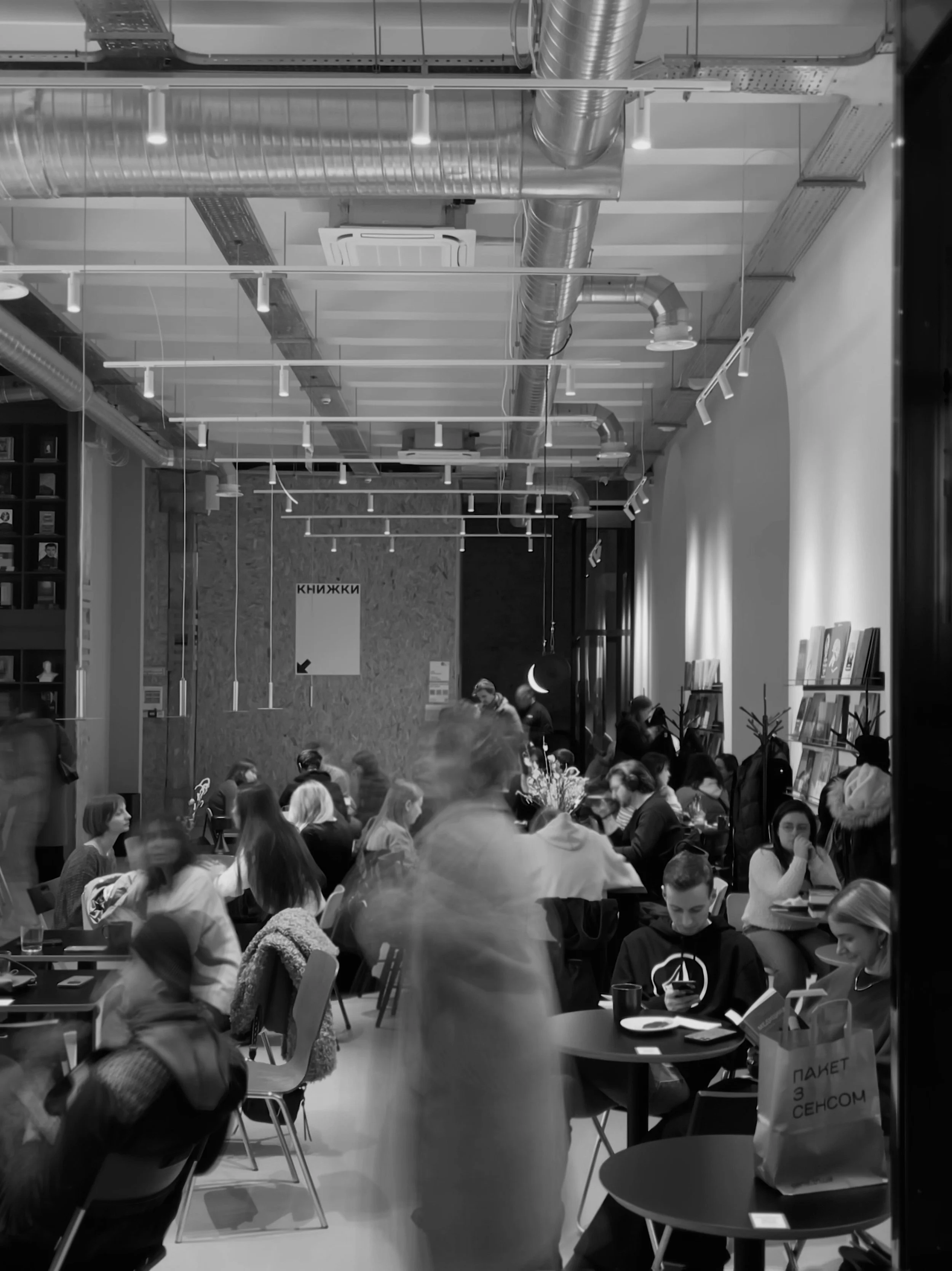
The situation might concern AI adoption, workforce change, quality, trust, data, authorship, organizational knowledge, environmental impact, or even the emotional messiness of this strange moment.
The workshop develops a foundational leadership capability for the age of AI: sound judgment under uncertainty and the capacity to help shape the future your organization actually wants. Participants leave better able to remain responsive, notice what changes, learn from the effects of their choices, and continue making meaning together.


-
This workshop is designed for leadership teams and cross-functional groups making or influencing consequential decisions about AI, including:
Executive and senior leadership teams
Strategy, innovation, and transformation leads
People, culture, learning, and organizational development teams
Technology, data, product, design, and operations leaders
Policy, legal, risk, governance, and sustainability colleagues
Intact teams facing a shared AI decision
-
Four-hour facilitated workshop
8-16 participants
In-person delivery, with an adapted online format available
Preparation and follow-up included
Before the workshop, we meet with a sponsor to understand the organizational context and choose a shared situation. Participants receive a short reflection prompt prior to beginning. Deep inquiry unfolds together in the room. We follow up with reflections.
-
A wider view of affected people, relationships, and consequences
Greater sensitivity to signals that may be felt before they can be fully explained
Useful practices and questions for ethical discernment in complex situations
A broader field of possible organizational futures
An ethical gesture that creates movement or opens further inquiry
A shared practice for navigating future AI questions
WAYSEEING & COMMON FIELDEthical inquiry meets organizational learning.
Co-created and facilitated by Dr. Madelaine Ley (WaySeeing Ethics) and JP King (Common Field), the workshop combines applied ethics, moral learning, contemplative practice, organizational design, and transformative learning.
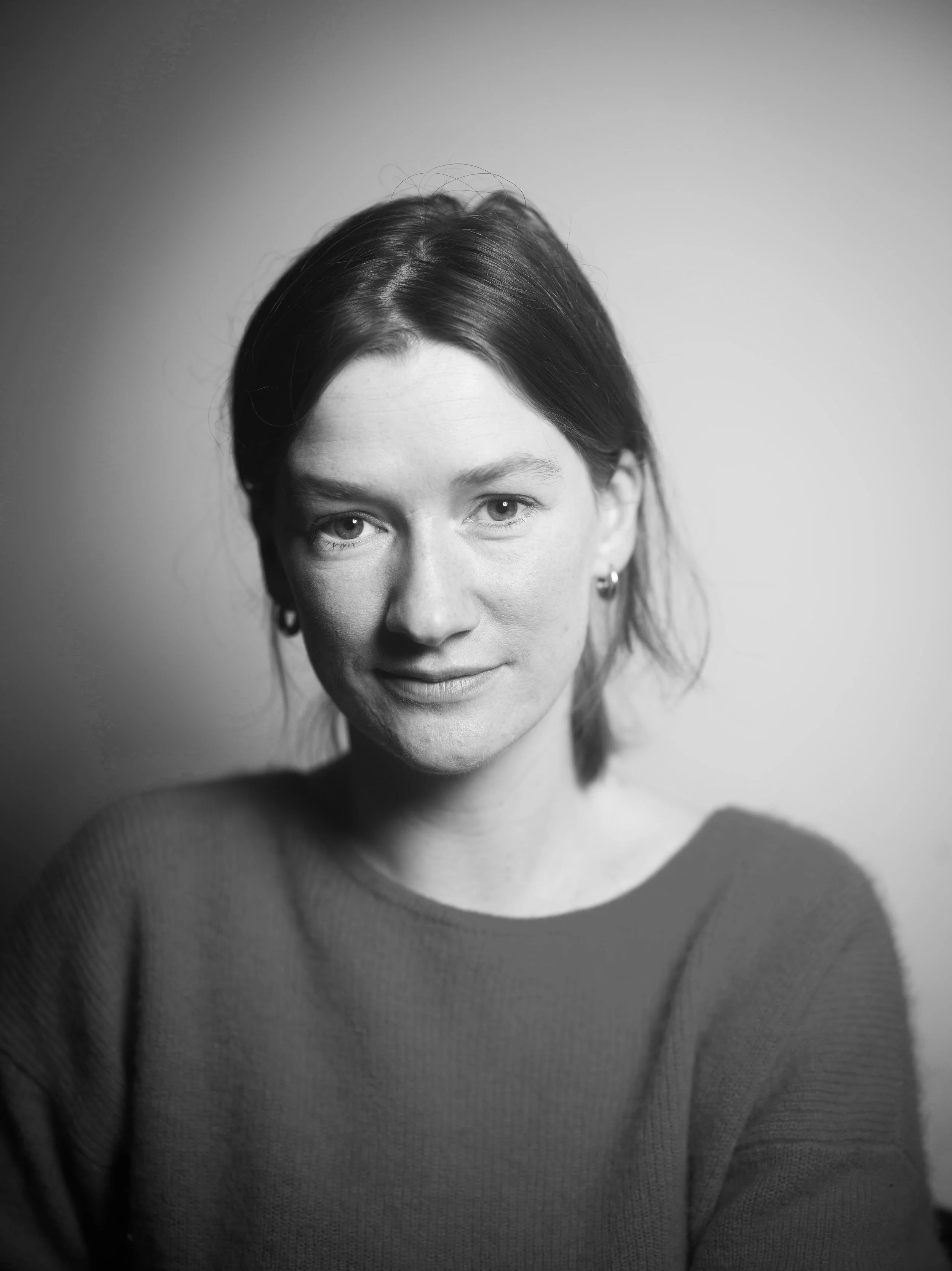
Dr. Madelaine Ley
Madelaine holds a PhD in the ethics of technology and has contributed to the leading edge of AI ethics teaching for seven years. With more than a decade of training in contemplative facilitation, she creates conditions for sustained attention, honest inquiry, and meaningful transformation.
Her research on the future of work has been published in leading philosophy of technology journals and featured by the BBC, NRC, and MIT. She was named one of the “100 Brilliant Women in AI Ethics” in 2022.

JP King
JP is an organizational learning consultant, systems designer, educator, and facilitator. For more than two decades, he has designed learning experiences, tools, frameworks, and participatory processes across nonprofits, universities, creative organizations, public institutions, and systems-change initiatives.
At Dark Matter Labs, he co-led organizational development, governance, and learning. He has taught art and design at the University of Toronto, using inquiry, experimentation, visual thinking, and studio-based learning to help students engage with complex social and environmental questions.
His training in Gestalt psychotherapy and Co-Active coaching shapes how he approaches uncertainty, resistance, group dynamics, and the human experience of organizational change.
START A CONVERSATIONWhat AI questions remain unanswered in your organization?

You may be considering a new system, responding to AI use already underway, developing organizational guidance, or sensing that an important conversation has not yet happened.
An initial conversation helps us understand the situation, consider whether the workshop is the right intervention, and identify who should be involved. You do not need a finished brief or a clearly defined problem. Bring the question, tension, or uncertainty itself.